The collar has been around for roughly 8,000 years. Dogs have been wearing them since ancient Egypt, and for most of that time, no one questioned it. Then the harness arrived, dog owners started having opinions, and now every trip to the park involves a quiet judgement of what's attached to someone else's dog.
So — which is actually better? We looked at the peer-reviewed evidence. Here's what it says.
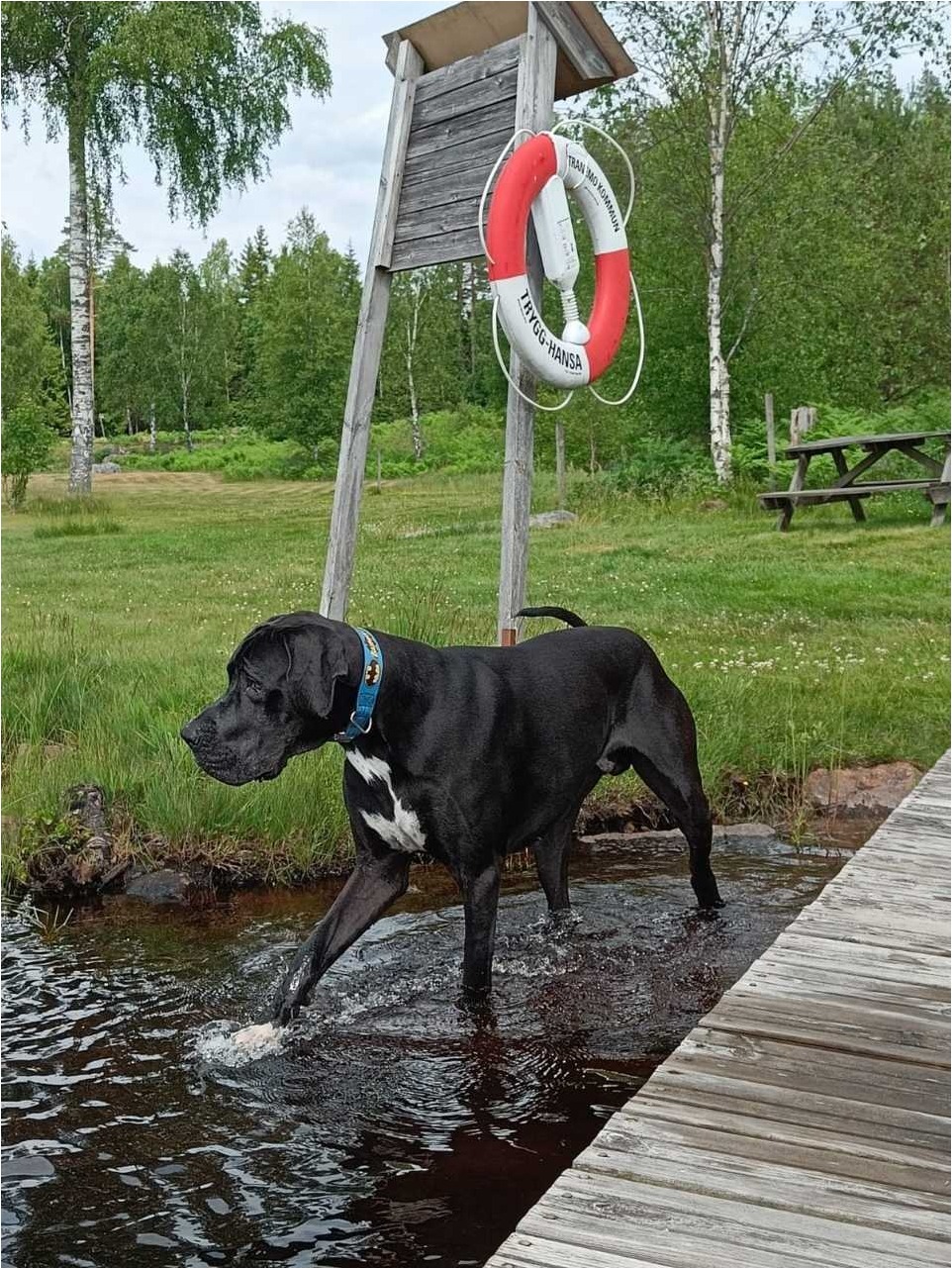
What the Research Shows About Collars
A 2021 study published in Frontiers in Veterinary Science — using 52 shelter dogs and a custom leash tension metre — found that excess pressure on the neck from collars "may cause musculoskeletal and tracheal injuries, and/or have negative effects on their eyes."1
What the Research Shows About Harnesses
Harnesses distribute pressure across the chest and shoulders — a much larger, more robust area. The same 2021 study found dogs pulled more forcefully in a back-clip harness (198N vs 163N with a collar) — but the force went to the chest and shoulders, not the neck.1
Head-to-Head Comparison
| Feature | Collar | Harness |
|---|---|---|
| Safety for pullers | ⚠️ Neck strain risk1 | ✅ Pressure distributed safely |
| Trachea protection | ⚠️ Risk in small breeds3 | ✅ No neck contact |
| Eye pressure | ⚠️ Raises IOP2 | ✅ No neck compression |
| Ease of use | ✅ Clip and go | Takes a few seconds to fit |
| Pulling reduction | None built-in | ✅ Front-clip redirects pullers |
| ID tag attachment | ✅ Always on | Usually separate collar needed |
| Cost | ✅ Usually cheaper | Slightly more expensive |
When a Collar Is Fine
The collar's main advantage — simplicity — disappears after about a week of harness use.
- Your dog walks calmly without pulling
- Secure garden or off-lead area
- Holding ID tags — most owners use both, harness for walks, collar for tags
- Large, well-trained dogs with excellent lead manners and no neck history
When You Should Switch to a Harness
- Your dog pulls — even occasionally
- Flat-faced breed (Pug, French Bulldog, Bulldog) — collars restrict breathing
- Small or toy breed with a delicate trachea
- Any neck, trachea, or eye issues
- Long walks, hikes, or running with your dog